
**Today I bring you Part 2. If you missed Part 1, head on over to this blog post and catch up here:
As I’ve posted on many occasions before, for those of us living with chronic pain or illness, the word tired doesn’t quite cover it. It goes beyond the tired experience that able-bodied people get from the odd night of poor sleep. The tiredness I feel goes so much deeper and it’s hard to explain just how tiring it is if you haven’t experienced full blown fatigue to that level. For me, it's a profound, bone-deep weariness that a good night's sleep cannot cure. That multiple good night’s sleep cannot cure. When you are a Pain Warrior, you aren't just managing physical symptoms, you are managing your mental health too and it’s like a full-time, high-stakes job that never offers a day off. This job requires constant micro-calculations about energy, medication, and activity, leading to intense decision fatigue.
 Eventually, the relentless effort of pushing through, of constantly battling your own body and maintaining a normal life, leads to a specific, heavy kind of exhaustion: Chronic Pain Burnout. This isn't just exhaustion from work, it's a physiological and emotional bankruptcy caused by a nervous system constantly stuck in a fight or flight stress response.
Why Chronic Pain and Burnout Go Hand-in-Hand
Like most people, I used to think of burnout as something that happens at the office. A condition caused by long hours, high-pressure deadlines, and difficult management. But for someone with chronic pain, the burnout felt is a much deeper, more fundamental crisis. It’s a physiological and emotional bankruptcy that attacks the core of well-being.
Unlike typical workplace burnout, this exhaustion is rooted in a constant, hidden war waged inside our bodies that never stops for us to have lunch or take any coffee breaks. And you are working 24 hour shifts. Chronic pain keeps our nervous systems in a perpetual fight or flight stress response, that is constantly flooding our bodies with cortisol and adrenaline. Over time, these alarm states wear out our adrenal systems, leading to a state often described as tired but wired, where deep rest is impossible. This is compounded by the invisible cognitive load and the endless cycle of micro-calculations necessary just to get through a day. Things like determining how much energy (or spoons) a simple task or chore will cost, or navigating medication timing to minimize side effects. This constant mental effort results in intense decision fatigue.
Furthermore, living with chronic pain forces a person through a recurring and seemingly endless grief cycle (I wrote a blog post on the 7 Stages of Grief For Chronic Pain, which you can read here:
It involves processing the loss of a former, healthy self, the loss of hobbies and activities, a career, or a predictable future. Trying to maintain a facade of a normal life while processing this profound, continuous grief is an emotionally draining process that strips away reserves, culminating in true physiological and emotional bankruptcy.
1. The "Invisible" Cognitive Load
 Every single day, you are making a thousand micro-calculations: Can I walk to the mailbox? How many spoons will grocery shopping cost me? If I take my medication now, will I be too drowsy for the meeting? This constant mental gymnastics leads to something called decision fatigue, which is the psychological state of exhaustion caused by the constant and ceaseless mental effort of making numerous micro-calculations throughout the day. This ceaseless mental effort is what makes living with chronic pain a full-time job. It’s an endless cycle of calculating energy units and spoons, timing medication to minimize side effects, and meticulously strategizing activity to prevent a flare-up. The simple act of planning your day becomes a complex logistical challenge, and the sustained mental drain of these constant micro-decisions is a direct path to burnout.
2. The Stress Response Loop
Chronic pain keeps your body in a state of fight or flight. Your nervous system is constantly stuck on high alert, flooding your body with stress hormones like cortisol and adrenaline. This is your body's survival mechanism, interpreting the constant pain signals as a physical emergency that requires immediate, high-energy readiness. Over time, this alarm state is never turned off, and your adrenal system wears out. This prolonged exposure to stress hormones deregulates the body's natural rest-and-digest functions, leaving you feeling chronically exhausted yet simultaneously restless—a state often described as tired but wired. This perpetual high-alert mode prevents the deep, restorative rest your body needs to heal, creating a vicious cycle where chronic stress exacerbates the pain, and the pain fuels the stress.
3. The Grief Cycle
Something I’ve learned to live with is grief. Intense grief. Living with chronic pain involves a recurring sense of loss and this loss is felt over and over and over. Loss of your former, healthy self, the loss of hobbies or activities, a career, playing sports, or even just a predictable future. This grief is not like other grief, in that it is not a one-time event, but a continuous and ongoing cycle of grief. Every setback, every flare-up, and every milestone missed reintroduces the pain of what has been lost and the grieving process starts all over again. You can also be in multiple stages of grief at the same time. This kind of grief is a constant reminder because once you’ve processed one loss, another loss occurs and you are thrown right back into the grieving process again without having completed grieving for the previous loss. Processing this profound, continuous grief while simultaneously trying to maintain a façade of a normal life for the outside world is an emotionally draining process that strips away reserves. We all want to be normal and this emotional labor of constantly masking your internal struggle and mourning your old life contributes significantly to the overall emotional bankruptcy that culminates in burnout.
The Impact: How Burnout Hits a Pain Warrior
 When burnout crashes into chronic pain, it creates a secondary layer of suffering that can feel even more paralyzing than the pain itself. The foundation of your coping strategies is eroded, leaving you vulnerable to escalating symptoms and emotional distress. This of course impacts your pain levels and already fragile mental health.
- Increased Pain Sensitivity: When you are burnt out, your brain loses its ability to filter pain signals effectively. This phenomenon is clinically known as central sensitization. It's as if the volume on your internal pain dial has been turned up to ten, causing stimuli that shouldn't be painful, like a light touch, a change in temperature, or even loud noise, to register as agonizing. Your nervous system, already taxed by the chronic stress of pain, becomes hyper-responsive and permanently stuck in a reactive state, leading to a profound, systemic amplification of every symptom.
- Emotional Flatlining: The relentless emotional labor of managing one’s chronic pain, coupled with the physiological stress of burnout, leads to a state of emotional depletion. You literally have nothing left to give and are often in a huge deficit. It feels like you haven’t slept in weeks and are running a marathon every day, day after day after day. This often manifests as cynicism, detachment, or a profound sense of resentment towards one's own body and circumstances. It makes it look like you don’t care, and that can be confusing and upset the people in your life. You may find yourself unable to feel joy or distress with the same intensity as able bodied people, which is often described as emotional flatlining. Emotional flatlining is described as a state of emotional depletion caused by the relentless emotional labor of managing chronic pain and the physiological stress of burnout. This is a defense mechanism because the mind is shutting down to conserve the last remaining reserves, but it leaves you feeling disconnected and isolated emotionally from loved ones and apathetic toward the activities you once enjoyed, which can confuse others and further deepen the cycle of isolation and despair.
- Brain Fog: Burnout exacerbates brain fog or cognitive dysfunction, making it nearly impossible to focus, think clearly, or remember simple tasks. I’ve written 3 different blog posts on brain fog, which can be found here:
https://www.meredithhutton79.com/meredithhutton79/my-brain-fog-be-gone-buddy-how-alexa-keeps-my-life-on-track-and-my-spirits-up,
https://www.meredithhutton79.com/meredithhutton79/brain-fog-and-executive-function-when-you-live-with-chronic-pain-10-minute-systems-that-save-the-day, and
https://www.meredithhutton79.com/meredithhutton79/brain-fog-and-chronic-pain.
This is not laziness, it is a real and very valid clinical symptom. The over-activation of the stress response diverts blood flow and resources away from the prefrontal cortex, the brain's executive functioning center, to the areas needed for fight or flight. Sustained high cortisol levels impair memory and concentration, turning simple acts like forming a coherent sentence, following instructions, or remembering an appointment into monumental challenges. It is so hard to live with a brain that is like this, because there is almost no fixing it, just finding things that will help you adapt to and manage your brain fog a little better. This cognitive struggle adds another layer of profound frustration, hindering your ability to manage your medical care and daily life effectively. It’s why I need so much help with certain thinking tasks and to stay organized. Especially doctors appointments, and organizing my medication refills. Thank you mom!
The Art of Pacing: Your Best Defense
 The most common cause of burnout is the Boom and Bust cycle. I did a blog post not too long ago about this, which you can find here: https://www.meredithhutton79.com/meredithhutton79/the-boom-bust-cycle-a-weekly-template.
This pattern is incredibly seductive: You wake up and feel okay, maybe even good, so you decide to make up for lost time. You do everything: laundry, errands, exercise, catching up with friends. You push through your body's subtle signals until you hit a wall. Then, you spend the next three days bedridden, recovering from the flare-up you unknowingly caused. This cycle is fundamentally unsustainable, creating a debt of energy that your body can never repay and rapidly leading to burnout. Even though I know all of this, I still get caught in this cycle, because there’s so much I’m behind on, I feel like I need to do as much as I can on the good days because when else will it get done.
Pacing is the practice of stopping before you need to. It’s an act of radical self-trust that requires you to actively choose rest and moderation even when you feel capable of more. Instead of waiting for a flare-up to force you to stop, pacing involves pre-emptively rationing your energy throughout the day and week. This approach stabilizes your nervous system, reduces the intensity and frequency of pain flares, and protects your precious energy reserves from being catastrophically depleted.
To make pacing work, you must adopt the mindset of long-term sustainability over short-term achievement. This can be really hard to do, especially when so many of us feel like burdens to our loved ones already, so we try and do as much as we can, often ignoring our body’s warning bells. This is encapsulated in The Golden Rule of Pacing: If you think you can do 100% today, aim for 60%. Save the other 40% for your body’s internal healing and maintenance. This reserved energy is your buffer and it’s what allows your nervous system to calm down, your immune system to function, and your body to recover from the baseline stress of chronic illness, rather than being constantly overdrawn.
Strategies to Minimize Burnout
 The Spoon Theory Audit: Track your spoons (energy units) for a week. The Spoon Theory is a simple yet powerful metaphor for managing chronic illness and I wrote a blog post about it not long after I started my blog. You can find my blog post on Spoon Theory here:
https://www.meredithhutton79.com/meredithhutton79/what-is-the-spoon-theory-and-why-its-so-important.
By actively tracking your energy by assigning a spoon cost to tasks like showering, grocery shopping, or attending a meeting, you gain concrete data on where your energy is truly going. You’d be surprised at how many spoons you need for a day, so doing this exercise can put things in perspective so you can manage your spoons as best as you can without taking too much from the next day. Use this audit to identify your energy vampires, tasks that drain you disproportionately, and see if they can be delegated, minimized, or deleted entirely from your schedule. The goal is to move from unconscious depletion to conscious conservation.
- Micro-Rest Breaks: Don't wait for a flare-up to rest. Your body doesn't handle a massive 8-hour sprint followed by a 3-day crash. Instead, schedule 5–10 minutes of horizontal rest or quiet stillness every hour, regardless of how you feel. These breaks are a nervous system reset, not a reward for completing a task. By regularly dropping out of the fight or flight mode, you prevent the cumulative build-up of stress hormones that leads directly to burnout. This is one of the most important things you can do to conserve your limited energy.
- Lower the Bar: Give yourself radical permission to be mediocre on high-pain days, or even on low-pain days. Burnout thrives on the pressure of maintaining impossible standards. I am very guilty of this. Paper plates, unwashed hair, and ordering takeout are not failures, they are valid survival tools that protect your limited energy reserves. Prioritize only the non-negotiable tasks and let the rest go without guilt. True progress in chronic illness management often means embracing good enough instead of chasing perfection. This has been really hard to do, especially with my “just so” OCD, so I work on it a little every day.
How to Recharge After the Crash
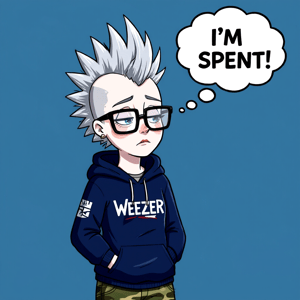 If you’re already in the thick of burnout, you can’t hustle your way out of it. Believe me, I’ve tried. Recovery actually requires a profound shift in perspective. The mental impulse to push through or power past is the exact mechanism that led to your exhaustion in the first place. It’s one of those things I think I’m always going to struggle with because I never think I’m doing enough. To attempt a high-effort solution to a problem caused by that very same high effort repeats the cycle of self-sabotage. You must actively disarm the internal pressure to perform, to catch up, or to somehow be strong enough to overcome the crash. It’s important to not to view recovery as a sprint, but to view it as an act of deep, deliberate de-escalation. It’s important as Pain Warriors that we learn this.
1. Radical Acceptance
The first and most critical step is Radical Acceptance. We need to stop fighting the fact that our body and mind are completely overwhelmed. Resisting our exhaustion only creates more tension and keeps our nervous systems on high alert, trapping us in something called the stress response loop. The stress response loop is a vicious cycle that occurs when chronic pain keeps our bodies in a constant state of fight or flight. It is much better to acknowledge our current state without judgment or guilt: "My body and mind are overwhelmed, and they deserve rest." This conscious surrender is the radical shift in perspective required as it is giving ourselves permission to stop struggling against the reality of our illness. Once you stop struggling and fighting against this, you’ll notice a huge shift in your stress levels.
2. Sensory Soothing
 Once you have radically accepted the need for rest, your recovery will pivot to a mission of nervous system regulation. Unlike able bodied people, you are not focused on achieving a workout, completing a task, or even necessarily sleeping. Instead, you are leaning into low-input activities and sensory soothing to calm the physiological alarm bells that have been ringing nonstop. This means embracing things like weighted blankets for grounding, noise-canceling headphones to reduce auditory overstimulation, and gentle movement only when it serves nervous system regulation, not calorie burning or traditional fitness goals. The goal is simple: to make your physical environment and your internal state as quiet and restorative as possible.
Because burnout is fundamentally an overload of the nervous system, it’s important to know that when your body has been stuck in fight or flight due to chronic pain, your five senses become hyper-reactive, turning everyday input into sources of stress. To recharge, you must actively counteract this by leaning into low-input activities that soothe the physiological alarm bells. This is about consciously reducing the data stream coming into your brain. Here are a few things I have found helpful in reducing this overwhelm in myself:
- Weighted blankets for grounding: The gentle, consistent pressure mimics a hug, a technique clinically used to activate the parasympathetic nervous system, which is the rest and digest mode. This deep pressure helps your body recognize that it is safe, which results in slowing the heart rate and calming the racing mind. In addition to using a weighted blanket, my big, lovable Goldendoodle, Koa, loves to lay on my lap and the nuzzle into my chest, of which the same principle applies, the weight is calming and soothing, and I get a loving dog to cuddle with.
- Noise-canceling headphones to reduce auditory overstimulation: Constant background noise, whether it's the hum of the refrigerator, traffic, what’s going on outside that we can’t control, or even a quiet television, can keep a stressed nervous system on edge. For me it’s fans. Oh my, listening to them makes me feel icky in my brain. When our air purifier, fireplace fan and sometimes a hood fan while I’m cooking, make my brain feel scrambled and I have a hard time focusing on anything with those background noises. My brain gets stressed out by the constant noise they make. They make me feel on edge too, and my anxiety spikes making my brain get very overwhelmed. To try and manage this, I got the new Apple AirPods 4 with active noise cancelling. Best thing I could have done for myself. You don’t realize just how noisy your home can be (even if you think it’s quiet) until those noises are gone. Creating an island of auditory calm is a simple yet powerful way to conserve mental energy and lower anxiety.
- Dimmable lights or blackout curtains: Bright, harsh light is interpreted by our brains as an energy demand and it can exacerbate headaches and sensory overload. By reducing the visual input, and softening the lighting, you signal to your body that it is time to slow down, allowing the muscles around your eyes to relax and promoting a more restful internal state. I have various lamps I use when the main lights are too much for me and have fairy lights strong around my desk. I also have a ceiling projector that looks like the Northern Lights and that is really very soothing and relaxing to look at.
3. Gentle Movement (When Ready)
 When we talk about exercise, we aren't talking about doing a workout like an able bodied person does a workout. For Pain Warriors, it’s important to learn that when recharging, your movement and exercise should be more about nervous system regulation, than calorie burning or achieving an unrealistic fitness goal. In the wake of burnout, any high-intensity activity, even if it feels good in the moment, can re-activate the fight or flight response and plunge you back into the boom and bust cycle. Instead, the focus is on consciously signaling safety to your body. This means movement is slow, intentional, and immediately stopped if it causes any increase in pain or anxiety.
Think of very gentle stretching, restorative yoga, or simply focused diaphragmatic breathing. I like to do Mindful Cooldown’s in Apple Fitness+, which are stretching videos that conclude with a meditation. I try to do these a few times a week, in addition to my fitness routine with my mother-in-law. Mindful Cooldown’s work because they are not exercises of strength or endurance, they are practices of presence and de-escalation. I also just got a little treadmill that’s more like a walking pad, and I go for “walks” using the treadmill section in Apple Fitness+. I don’t pressure myself to finish a video in one go. Instead I do about 10 minutes of walking and then pause. I’ll then continue that video the next time I’m using it. It’s also important to note that gentle stretching, for instance, should focus on releasing held tension in the shoulders, neck, and hips, not on achieving a deep, aggressive stretch. Something like restorative yoga involves passive poses held for a long time, often supported by pillows or blankets, which uses gravity to encourage deep rest and allow the body to sink out of its hyper-vigilant state.
Most importantly, diaphragmatic breathing is perhaps the most powerful tool. By practicing slow, deep breaths that expand your belly, you physically engage the vagus nerve and activate the parasympathetic nervous system. This results in a direct, physiological override of the stress hormones that have been flooding your system. A few minutes of focused, gentle breathing is a potent way to calm the physiological chaos of burnout, proving that sometimes the smallest, least strenuous movement can create the biggest shift toward healing. I use an app called Mind Llama, by the creators of Water Llama, which has you focus on deep breathing with an image that moves in and out as if it’s breathing. It’s actually very calming.
4. Reconnect with "Non-Pain" Identity
 Burnout often happens because our entire world becomes about our illness. With chronic pain, it’s hard not to. This is because chronic pain can become an overwhelming central identity, where every conversation, appointment, and daily decision revolves around the logistics of managing the condition. This focus is necessary for survival, but it simultaneously erodes the sense of self that existed before the illness, contributing to the profound feeling of loss that fuels burnout. Even though it’s hard to recharge, you must intentionally step away from the role of patient or Pain Warrior for brief, restorative periods.
The goal is to find one small thing that reminds you who you are outside of your pain. This isn't about ignoring your illness; it's about feeding the parts of your personality that have been starved of attention. This might mean listening to a favorite podcast that has nothing to do with health, drawing for the simple joy of creation, or chatting with a friend about anything except doctors and symptoms. These acts of re-engagement with your non-pain self serve as a psychological anchor, grounding you in your true identity and providing emotional energy that the illness cannot touch.
By consciously dedicating time and energy to these activities, you are creating a crucial, protected space for personal identity to breathe. It helps to break the cycle of emotional flatlining and detachment by stimulating joy and interest that isn't dependent on physical ability. This process is vital for mental resilience, confirming that while chronic pain is a part of your life, it is not the whole of who you are.
You Are Not Failing
 If you are experiencing burnout, it is not because you aren't strong enough. It is because you have been too strong for too long. For years, you have managed a relentless condition, absorbing the physical, emotional, and cognitive costs of a hidden, non-stop war. Burnout is not a sign of moral failure or weakness. It is a predictable, clinical outcome of your body and mind running on empty in a state of perpetual crisis. It is a sign that your survival mechanisms have finally become overwhelmed.
The most important thing you can do now is rewrite the internal script that tells you to push harder. Recharging isn't a luxury. It is a clinical necessity for anyone living with chronic pain. It is the most effective form of preventative medicine you have. Give yourself the radical permission to rest, to slow down, and to prioritize your healing above all else. This process is a marathon, not a sprint, and your only job right now is to step off the track and allow your system to finally stand down.
You don't have to manage your chronic pain journey alone. Join our community of pain warriors by signing up for my newsletter on the home page or below any blog post on my website:
https://meredithhutton79.com/meredithhutton79
As a welcome gift, I'll send you two complimentary pain-tracking pages and a 200-page household planner to help ease your mental load.
For more resources, browse my collection of chronic pain-themed trackers, planners, and journals at my shop:
https://meredithhutton79.com/shop
and my Chronic Pain Worksheets — To Learn And Level Up e-booklet packaged with worksheets I create and sell in bundles in my Gumroad shop: